
How Many Land-Based Casinos Does Canada Have?
Canada has more land-based casinos than most people expect. The country runs one of the most developed commercial gaming industries in the world, and if you picture a handful of resorts in Ontario and nothing else, you are working with an incomplete map. The full picture spans ten provinces, involves both commercial operators and Indigenous communities, and includes everything from Vegas-style destination resorts to modest gaming halls tucked inside regional towns.
Here is a precise, province-by-province breakdown of what Canada actually has.
The National Count
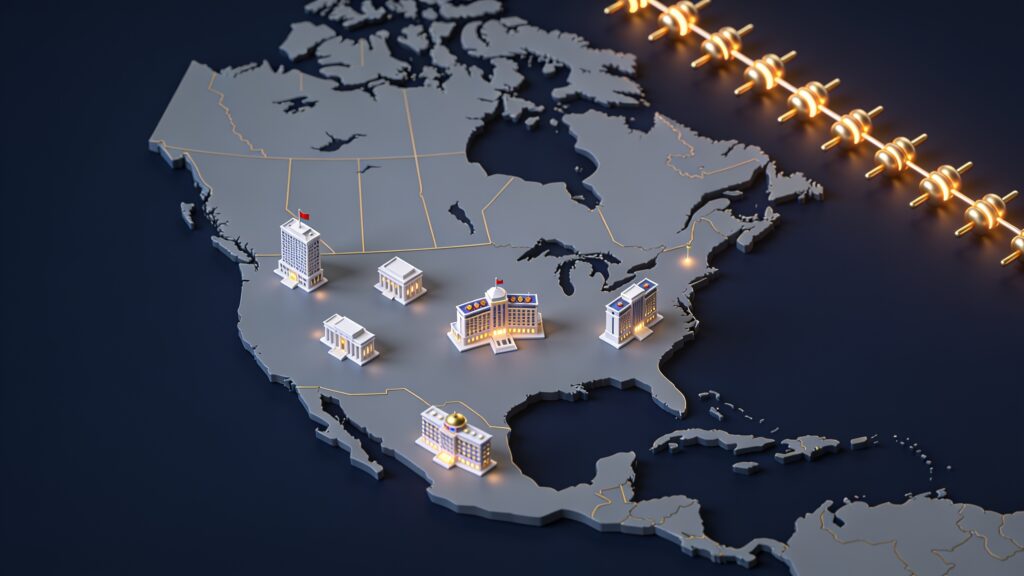
Canada has approximately 200 land-based casinos and casino-style gaming facilities operating across the country. That figure shifts slightly year to year as facilities open, close, or reclassify, but it has held near that range for the past decade.
It helps to split that number into two broad categories. Commercial casinos are owned or licensed by provincial governments and operated by companies like Great Canadian Entertainment and Gateway Casinos. Indigenous casinos are built on First Nations land and operated under agreements between band councils and provincial regulators. Both types are fully legal and regulated.
Province-by-Province Breakdown
The table below gives a reliable picture of casino distribution across Canada. Numbers reflect full casino facilities and exclude standalone slot-machine venues that carry no table games.
| Province | Approximate Casino Count | Notable Properties |
|---|---|---|
| Ontario | 30+ | Niagara Fallsview, Casino Windsor, Great Blue Heron |
| British Columbia | 40+ | River Rock, Hard Rock Vancouver, Cascades |
| Alberta | 30+ | Grey Eagle, River Cree, Casino Edmonton |
| Quebec | 4 | Casino de Montreal, Casino de Charlevoix |
| Saskatchewan | 10+ | Living Sky, Gold Eagle, Dakota Dunes |
| Manitoba | 5+ | Club Regent, McPhillips Station, Assiniboia Downs |
| New Brunswick | 3 | Casino New Brunswick, Moncton and Saint John venues |
| Nova Scotia | 2 | Casino Nova Scotia Halifax, Casino Nova Scotia Sydney |
| Prince Edward Island | 1 | Casino PEI in Charlottetown |
| Newfoundland | 0 | Province has no licensed casino facilities |
British Columbia leads the country in sheer casino count, a fact that surprises many Canadians who assume Ontario holds that title. Ontario has fewer but larger facilities, which gives it an outsized reputation.
The Big Destination Resorts
A subset of Canadian casinos deserves special mention because they operate at a completely different scale from regional facilities.
Niagara Fallsview Casino Resort in Ontario is the largest casino in Canada by gaming floor space. It has over 3,000 slot machines, 130 table games, and a hotel tower that pulls in visitors from across North America.
Casino de Montreal is the most visited casino in Canada and sits on an island in the St. Lawrence River inside the former French Pavilion from Expo 67. It has five floors of gaming, multiple restaurants, and a performance venue.
River Rock Casino Resort in Richmond, BC sits close to Vancouver International Airport and pulls a heavy Asian-Canadian demographic that makes it one of the busiest gaming floors in the country on a per-square-foot basis.
Grey Eagle Resort and Casino in Calgary is one of the most successful Indigenous-owned gaming facilities in Canada, run by the Tsuut’ina Nation. It is a genuine resort destination with a hotel, spa, entertainment venue, and one of the busiest gaming floors in Alberta.
Indigenous Gaming: A Major Force
Indigenous casinos account for a large share of Canada’s total casino count, particularly in British Columbia, Alberta, Saskatchewan, and Manitoba. This sector grew substantially after court decisions and policy reforms in the 1990s established clearer frameworks for First Nations gaming rights.
Saskatchewan has a model worth studying. All commercial casinos in the province are Indigenous-operated through the Saskatchewan Indian Gaming Authority (SIGA). There is no parallel commercial casino sector. Revenue stays within First Nations communities and funds social programs, making SIGA one of the most studied Indigenous gaming models in North America.
Key facts about Indigenous gaming in Canada:
- Over 60 Indigenous-owned casinos operate across the country
- SIGA operates eight casinos across Saskatchewan as the sole provincial operator
- Revenue-sharing agreements vary widely by province
- Several facilities like Grey Eagle and River Cree rank among the top-grossing properties in their regions
What Drives the Regional Spread
Casino placement in Canada follows population density to a point, then breaks from it. Quebec has only four casinos despite being the second-most-populous province. That reflects deliberate policy. The provincial government controls Loto-Quebec’s casino portfolio tightly and has chosen depth over breadth, building fewer but more prominent facilities.
BC and Alberta went the opposite direction, licensing a high volume of smaller facilities spread across urban and rural areas. That makes gaming more accessible to local residents rather than concentrating it at major tourist destinations.
Newfoundland and Labrador remains the only province with zero licensed casinos, though the province does have video lottery terminals in licensed establishments. Provincial governments there have repeatedly declined to move forward with casino licensing.

Key Takeaways
Canada’s land-based casino industry is large, geographically spread, and more complex than it appears at first glance. A few things stand out as worth remembering.
- The total sits around 200 facilities when you count commercial and Indigenous properties together
- British Columbia has the highest casino count of any province
- Niagara Fallsview is the largest single property by gaming floor space
- Saskatchewan runs entirely on an Indigenous-operated model through SIGA
- Newfoundland is the only province with no licensed casino
If you plan to visit a specific property, check directly with the casino for current hours, age requirements (19 in most provinces, 18 in Alberta, Manitoba, and Quebec), and available games. Facilities update their offerings regularly, and a quick call saves a wasted trip.
Canada’s gaming geography rewards curiosity. The country has built something far more varied than a simple cluster of resort casinos, and the regional differences reflect genuinely distinct policy choices made at the provincial level.